

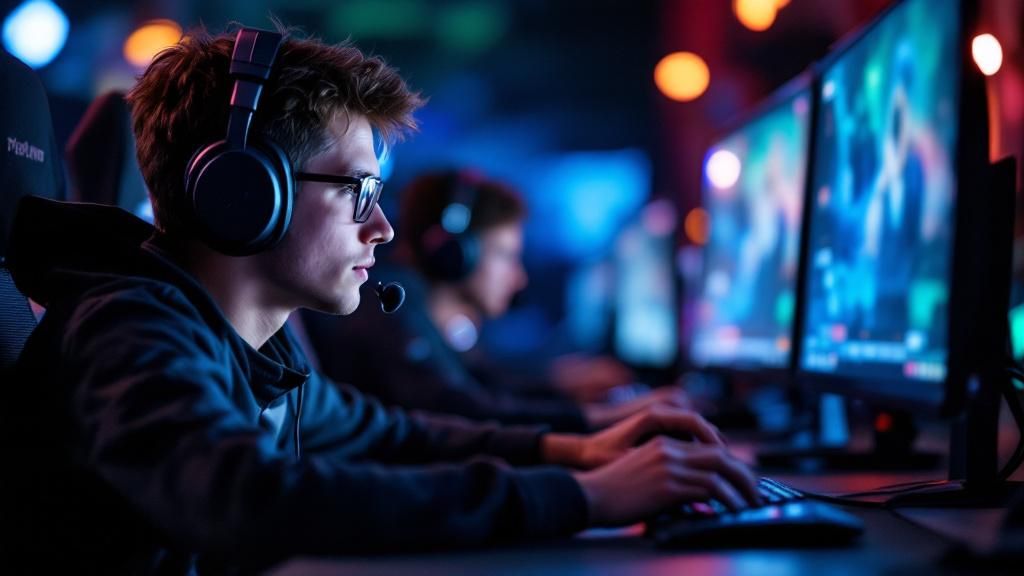
The dynamic esports industry has experienced a significant transformation, with professional teams now emphasising mental health support as increasingly. Once viewed as mere entertainment, esports has developed into a intense profession where players encounter intense scrutiny, punishing schedules, and considerable psychological demands. Understanding these issues, leading organisations are committing significant resources in comprehensive mental health initiatives, including sports psychologists, mental health counselling, and wellness initiatives. This article investigates how the esports sector is reshaping its approach to player wellbeing and why mental health has become as important as physical training.
The Growing Importance of Mental Health in Professional Esports
Professional esports has evolved into a demanding industry where emotional fortitude is as critical as technical skill. Players face unprecedented pressure, including stiff competition, global audiences, and relentless media scrutiny. The psychological toll of achieving peak performance whilst handling expectations has led leading organisations to recognise that mental health substantially influences competitive outcomes. Consequently, forward-thinking teams now view psychological support as integral to their organisational structure, rather than an optional extra.
The transition to emphasising mental wellbeing reflects wider sector recognition that burnout, anxiety, and depression substantially impact player performance and longevity. Many professional gamers face disrupted sleep cycles, social isolation, and competition-induced pressure that traditional training regimens do not tackle. By implementing comprehensive mental health frameworks, organisations show commitment to ongoing performer development. This proactive approach not only strengthens individual player welfare but also strengthens team cohesion and competitive performance across the esports landscape.
Contemporary esports teams engage multidisciplinary mental health professionals, such as sports psychologists, accredited mental health therapists, and wellbeing specialists. These specialists collaborate closely to create tailored support approaches tailored to individual player needs. Through stress management techniques and cognitive behavioural interventions, thorough support programmes tackle the unique psychological challenges central to professional gaming. This investment indicates that elite teams understand mental health as integral to championship success.
The normalisation of mental health discussions within competitive gaming circles has reduced stigma significantly. Players readily admit to mental health difficulties without worry regarding professional backlash. This change in attitudes encourages proactive help-seeking behaviour, helping squads spot and tackle psychological issues before they intensify. By fostering environments where discussing mental wellbeing becomes routine, organisations cultivate stronger, more resilient rosters equipped to maintain peak performance throughout rigorous competitive periods.
Training schemes complementing clinical support additionally reinforce psychological support structures within professional esports. Teams run workshops addressing sleep quality improvement, nutrition’s psychological impacts, and mindfulness-based approaches. Players receive training in emotional control and stress resilience, arming them with actionable strategies for coping with competitive pressures. These proactive interventions lower demand for crisis support whilst supporting long-term mental wellbeing across athletes’ careers.
Allocation towards mental health infrastructure demonstrates significant financial commitment from organisations, yet delivers considerable gains through enhanced player loyalty, better competitive performance, and lower healthcare expenses. Teams identifying this correlation gain competitive edge whilst establishing industry standards. As mental health support grows more common professional esports, organisations neglecting to prioritise player mental health risk losing players to rival organisations providing comprehensive support. This development reflects esports’ maturation as a legitimate professional sector.
Comprehensive Mental Health Programmes and Support Structures
Professional esports organisations have developed comprehensive psychological support systems that go well past conventional health programmes. These detailed frameworks integrate psychological support, anxiety reduction methods, and peer mentorship systems created for professional esports settings. By creating specialist mental health teams and working alongside specialist providers, teams ensure athletes get tailored interventions addressing burnout, performance anxiety, and social isolation. This comprehensive strategy recognises that long-term performance excellence demands tackling mental and emotional health in addition to fitness training and tactical preparation.
Expert Counselling and Mental Health Services
Leading esports organisations now engage mental health specialists and licensed counsellors who understand the particular demands of professional esports. These specialists work closely with players to develop coping strategies, handle competitive stress, and address underlying mental health concerns. Consistent individual sessions offer private environments where athletes can discuss personal challenges, career pressures, and emotional difficulties without worry of criticism or professional ramifications. This tailored method has played a key role in boosting player retention and overall team cohesion.
The integration of professional counselling services reflects a significant shift in how esports organisations prioritise player wellbeing. By eliminating stigma surrounding psychological conversations, teams encourage proactive help-seeking behaviour rather than crisis intervention. Psychologists work with coaching personnel to identify preliminary warning signals of exhaustion or psychological strain, enabling timely intervention. Furthermore, these services cover relationship difficulties, family-related issues, and post-competitive transition planning, acknowledging that players’ lives transcend competitive gaming.
- Personalised therapy sessions addressing performance anxiety and managing stress
- Emergency response protocols for urgent mental health situations and immediate assistance
- CBT-based therapy techniques tailored to esports competitive demands
- Family therapy services enhancing player relationships and home environments
- Career transition planning supporting players with professional development pathways
Organisations report notable gains in player satisfaction and emotional resilience subsequent to the introduction of dedicated psychological services. Teams leveraging these provisions exhibit lower staff attrition, enhanced performance stability, and better team cohesion. The investment in certified mental health experts has become standard practice among elite-level teams, demonstrating the sector’s dedication to ongoing player growth. This evolution underscores broader recognition that successful organisations necessitate emotionally stable and properly supported competitors.
Measuring Achievement and Forthcoming Developments
Measuring Mental Health Gains
Professional esports organisations are progressively establishing detailed measurement systems to measure the effectiveness of their psychological support programmes. Teams record participation levels, uptake of counselling services, and performance improvements combined with psychological assessments. Early data reveals significant correlations between comprehensive psychological support and enhanced in-game performance, reduced player burnout, and improved team cohesion. Forward-thinking organisations acknowledge that investing in mental wellbeing directly translates to competitive advantages and sustainable player development.
Measuring success goes beyond traditional statistics. Organisations carry out periodic surveys evaluating player satisfaction with mental health services, stress levels, and overall quality of life. Many teams now utilise specialist mental health coordinators who analyse trends and modify assistance initiatives accordingly. This information-focused strategy enables organisations to provide concrete returns on investment, validating ongoing funding for psychological services. Progressive esports companies view mental health metrics as equally important as traditional performance indicators.
Sector-Wide Standards and Regulatory Framework
The esports industry is progressing towards establishing standardised mental health protocols across competitive leagues and organisations. Several regional governing bodies have commenced establishing compulsory psychological support standards, confirming all teams deliver sufficient mental health support. These programmes represent a significant cultural shift, acknowledging that competitor welfare is critical to the industry’s credibility and long-term viability. Standardisation ensures responsibility and maintains consistent quality of psychological care independent of organisational resources or geographic location.
Governance structures are developing to protect competitor psychological welfare holistically. Professional leagues increasingly require teams to employ certified psychological specialists, perform ongoing wellbeing assessments, and establish confidential support systems. These requirements help reduce prejudice around mental health discussions within professional settings. As esports matures institutionally, wellbeing safeguards are becoming non-negotiable contractual obligations rather than optional enhancements.
Future Direction and Sustainability
Leading esports organisations are establishing comprehensive psychological support frameworks extending beyond single-player assistance to widespread sector transformation. Funding for collaborative research with universities aims to deepen understanding of esports-specific psychological challenges and develop evidence-based interventions. Teams are creating mentoring initiatives linking active athletes with former competitors who can offer insight on sustained professional development and post-competitive life transitions. This holistic strategy ensures sustainable mental health infrastructure for upcoming players.
The future of professional esports relies heavily on normalising discussions about mental wellbeing and incorporating wellbeing services across all stages of a player’s career. Organisations are becoming notably candid about wellbeing struggles, openly championing players who seek support and proving that psychological fitness strengthens rather than weakens competitive performance. As esports spreads across international markets, this dedication to player mental health will probably emerge as a hallmark trait of authentic professional outfits, ultimately strengthening the entire competitive ecosystem.
